
10 Tips to Improve Bike Mileage
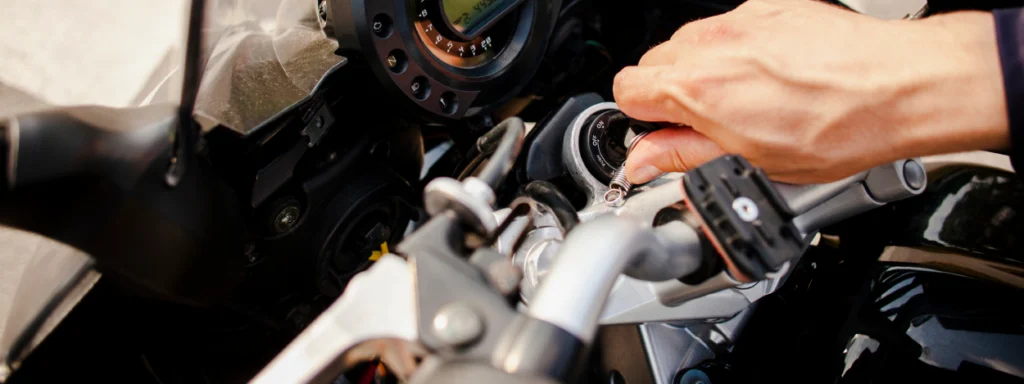
Every biker asks this question at some point. Why is my mileage dropping? You fill the tank, ride the same route, and still the number keeps falling. It is annoying, and honestly, it is also avoidable most of the time.
Good mileage is not just about saving a few rupees on fuel. It tells you the engine is healthy. A bike that gives poor mileage is usually working harder than it should, and that extra strain shows up later as bigger repair bills. Mileage drops for boring reasons mostly. Skipped servicing, low tyre air, a dirty filter, an old spark plug, or just riding style that burns more fuel than needed.
None of this needs an expert mechanic to fix. A bit of regular attention and a few habit changes can bring your bike back to giving the mileage it was designed for. Let us get into it.
Why Your Bike’s Mileage Drops
There are a handful of usual suspects behind poor mileage, and once you know them, spotting the problem gets a lot easier.
- Poor maintenance, meaning skipped services and ignored small issues
- Low tyre pressure, which makes the engine work harder to move the bike
- Dirty air filter, which chokes the air the engine needs to burn fuel properly
- Worn spark plug, which causes weak or incomplete combustion
- Aggressive riding habits, like hard acceleration and sudden braking
10 Tips to Improve Bike Mileage
1. Maintain the Right Tyre Pressure
Low pressure of tyres leads to rising rolling resistance. With the additional resistance, the bike requires more fuel just to be able to continue moving at the desired speed. I’ve seen many riders losing almost 10 percent of their mileage because of the tyres and they don’t even know it. It’s sufficient to check the pressure once a week, ideally when the tyres are still cold, and follow the recommendations of the manufacturer provided on the tag or in the manual.
2. Get Regular Bike Servicing
Regular servicing will ensure that all of the parts of the bike are in working condition. A normal service means checking fuel injection, checking oil, checking filters, checking brakes, making general tuning. Skipping one is the main reason why people lose mileage during the years.
3. Change Engine Oil on Time
The use of fresh oil helps to reduce friction between the engine parts. Whereas dirty old oil thickens, making it ineffective in oiling the engine. It needs to work harder, thus using more fuel. You should ensure to use the oil grade recommended by the manufacturer, and not the cheapest available, for using the incorrect viscosity would compromise the engine’s effectiveness.
4. Clean or Replace the Air Filter
When the air filter is clogged, it restricts the airflow to the engine. This has an effect on the fuel air ratio and may result in incomplete burning. Motorbikes generally need the air filter cleaned at intervals of every 3000 to 5000 km and changed every 10,000 to 15,000 km. However, this depends on the model of the bike you have. If you ride in dusty areas, it is advisable to ensure that you check the air filter more often than indicated in the manual.
5. Ride at a Steady Speed
Accelerating and braking suddenly can lead to fast fuel consumption. Riding steadily allows the engine to operate in balance rather than constantly speeding up and slowing down. Most motorcycles are best able to maximize their fuel efficiency within the range of 25 to 40 mph, though this varies by make and model. Predicting traffic rather than reacting to it can make a difference in fuel economy, and it only takes about a week to notice this.
6. Avoid Unnecessary Idling
Idling takes fuel, but does not move the bike even one inch. Idling for 30 seconds may not seem like much, but in a month, this adds up. Only keep the engine running at a stop if the wait is shorter than 10-15 seconds. It also saves wear, so it is a double win really.
7. Keep the Chain Clean and Lubricated
A rusty or dry chain adds friction to the engine on each rotation. The friction will reduce the fuel efficiency without you noticing. Use a good degreasing product to clean the chain and then grease it every 500 to 600 kilometers if not more frequently in rain or dust. It will take you 10 minutes and is worth doing it on your own instead of waiting for the service.
8. Don’t Overload Your Bike
Carrying more weight means the engine has to do more work and burn more fuel. It is all physics. Carrying a passenger every now and then is fine. But regularly carrying heavy bags and taking unnecessary accessories when you have the option to travel light will add up over time. Take off everything that is not actually used and is fixed on the bike.
9. Use the Correct Gear
Riding on the wrong gear, especially low gear during high speed, forces the engine to work harder than it has to and cause you to spend more fuel. Change gear as soon as you can while maintaining comfort and avoid underusing the motor. One of the common mistakes is getting stuck in Gear 2 or 3 while riding over 30 kmph, just out of habit. To properly utilize the bike, learn its optimal speed range for each gear.
10. Check Spark Plug and Brakes Regularly
A worn spark plug produces weak sparks, which cause incomplete combustion of fuel inside the cylinder. The unburnt fuel would be lost. The drag of the brakes is another form of fuel wasting, since it causes additional obstruction to the process of engine work all the time, although you think you don’t use the brakes right now. You should check both of them on a regular basis and don’t wait for obvious signs of a defective spark plug.
Maintenance Checklist for Better Bike Mileage
Keep this handy, print it out if you like sticking things on the garage wall.
- Tyre pressure, checked weekly
- Engine oil, changed as per manufacturer schedule
- Air filter, cleaned every 3000 to 5000 km
- Chain lubrication, done every 500 to 600 km
- Spark plug, inspected every service
- Brake inspection, done every service
Conclusion
In conclusion, good fuel milage is not one solution. It is a number of small tricks combined together. While tire pressure, regular oil change, clean air filter, careful driving, and routine service do not seem like anything complicated, missing enough of those things can decrease bike milage significantly. The trick is to be consistent and take actions before you have any troubles. When you think of service as a thing you will do next month, that becomes the moment when fuel milage starts to decline unnoticed.
GoGarage’s doorstep bike service includes proper inspections that catch these fuel efficiency issues early, tyres, filters, oil, spark plugs, all of it, without you having to drop the bike off anywhere. Sometimes the easiest fix is just making servicing less of a hassle.
Frequently Asked Questions
- How can I increase my bike mileage naturally?
Ride smoothly, avoid hard acceleration and braking, keep tyres at the right pressure, and stick to a regular servicing schedule.
- Does tyre pressure affect bike mileage?
Yes, quite a lot actually. Low pressure increases rolling resistance, forcing the engine to work harder and burn more fuel to cover the same distance.
- Which engine oil gives better mileage?
Whatever grade your manufacturer recommends, not necessarily the most expensive one on the shelf.
- How often should I service my bike for better mileage?
Most manufacturers suggest every 3000 to 5000 km, or every three months, whichever comes first.
- Why has my bike’s mileage suddenly dropped?
Low tyre pressure, a dirty air filter, old engine oil, or a worn spark plugs are usually one of the common culprits.