
How Often Should You Service Your Bike? A Comprehensive Guide
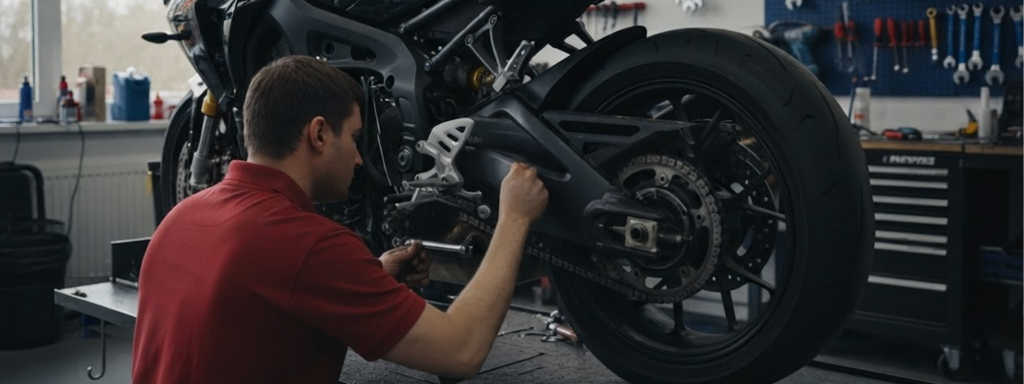
Most riders only think about servicing when something already feels wrong. This is an incorrect approach. Maintenance is what makes sure that your motorbike is safe, fast, fuel-efficient, and prolongs its lifespan.
The thing is that there is no universal answer to this question. The bike used on a daily basis in the city should be treated differently than the bike that stays in the garage for the most part of the week. Things like age, usage, road conditions, and the fuel available in the region influence the maintenance of the motorbike. If you don’t know what to do first, stick to the schedule provided by the manufacturer in your manual and do everything else following that.
How Often Should You Service Your Bike?
Generally speaking, the majority of bikes require maintenance once every 3000-5000 km or once every three to six months. Some manufacturers set intervals between time and distance, but it is definitely better to treat the stricter of the two approaches as correct with regard to the service process. First service is vital because it enables to detect manufacturing or assembly flaws before they become serious issues. New bikes tend to need lighter attention in the first year, while the older is the bike, the more frequent servicing it will require.
Bike Service Schedule: What to Expect
First Service
The first service typically occurs within 500-1000 km and during the first month of owning the motorcycle. This includes tasks such as checking the engine oil and tightening loose bolts, as well as inspecting the chain tension of the motorcycle and the brakes and clutch of the motorcycle. This is when minor defects caused during manufacturing are identified, defects that may turn into serious problems later. Do not skip this one, I have seen too many riders treat it as optional when it really is not.
Regular or Periodic Services
After the first service, most bikes settle into a rhythm of servicing every 3000 to 5000 km. As the bike ages, this can shift to shorter intervals since parts wear faster and need more frequent inspection. Keeping a proper service history is genuinely useful too, not just for resale value but because it helps any mechanic spot patterns, like a part that keeps failing early. A logbook or even a simple notes app entry after each service goes a long way.
Does Your Bike Need More Frequent Servicing During Monsoon?
Yes, this point tends to be overlooked, but not as much as it should be. Rain, mud, and wet roads actively transport moisture into the areas where it should not reach, which accelerates rust and corrosion, particularly concerning the chain. As for the brakes and tires, they also act differently on wet roads and need additional attention to maintain grip and braking efficiency. Cleaning and lubrication of the bike after heavy rains is not merely good maintenance practice, but it is rather essential for preventing further problems.
Signs Your Bike Needs Servicing
Some problems creep in slowly, and a lot of riders only notice once things get bad. Watch for these signs and do not wait too long once they show up.
- Reduced mileage
- Difficulty starting
- Rough engine performance
- Unusual engine or chain noises
- Reduced braking performance
- Poor acceleration or pickup
- Excessive vibrations
- Uneven tyre wear
- Warning lights on the dashboard
How Much Does Bike Servicing Cost?
The pricing is determined by few factors, particularly by the variant of the bike, necessary pieces and details, and the servicing place. Regular service is often way cheaper than serious repairs. This is why postponing minor maintenance will make you spend more in the future down the road. While overlooking a simple issue with the chain can result in replacement of the sprocket in a month, thus making you pay for something that might have been avoided in advance. When you are comparing service options, you have to read what is included in the service because, in some cases, cheap services may mean you will lose some quality of the service.
When Should You Get Your Bike Serviced Immediately?
Some issues cannot wait for your next scheduled service, they need attention right away.
- Severe braking problems
- Sudden loss of performance
- Engine overheating
- Unusual smoke or leaks
- Difficulty controlling the bike
- Major warning lights or electrical failures
If your bike is due for a check or showing any of these signs, GoGarage offers professional bike servicing that covers routine maintenance and detailed inspections, right from your doorstep. It is a straightforward way to stay on top of upkeep without disrupting your week, especially if you keep putting it off because visiting a service center feels like a hassle.
Conclusion
Getting timely maintenance performed is one of those things that will pay for itself over time. The correct interval for service depends upon the instructions from the manufacturer, the performance of the bike, and how the bike is used. Each case is different from the others, so there is no magic number that fits everyone. The crucial thing here is to detect minor malfunctions at an early stage through consistent checks, so that these failures do not develop into costly repairs.
Frequently Asked Questions
- How many kilometres should a bike be serviced?
Most bikes need servicing every 3000 to 5000 km, though this varies by manufacturer and model. Check your owner’s manual for the exact recommendation.
- Is it necessary to service a bike every 6 months?
For bikes with lower usage, servicing every 6 months is generally advisable even if the kilometre mark has not been reached.
- What happens if I miss my bike service?
Skipping a service can lead to reduced performance, lower mileage, and a higher chance of sudden breakdowns.
- How often should I change bike engine oil?
Engine oil is typically changed every 3000 to 5000 km, or roughly every 3 months, whichever comes first. Riding in heavy traffic or dusty conditions may mean changing it sooner.
- How often should I service an old bike?
Older bikes, especially those past 30000 km, usually need more frequent servicing, often every 2000 to 3000 km.
- Does regular servicing improve bike mileage?
Yes, regular servicing keeps the engine, filters, and tyres in good condition, which directly improves fuel efficiency.
- Can I service my bike at home?
Basic tasks like chain lubrication, tyre pressure checks, and cleaning can be done at home with the right tools. Anything involving the engine, brakes, or electricals is best left to a trained technician.