
Monsoon Bike Care: 7 Tips to Keep Your Ride Safe
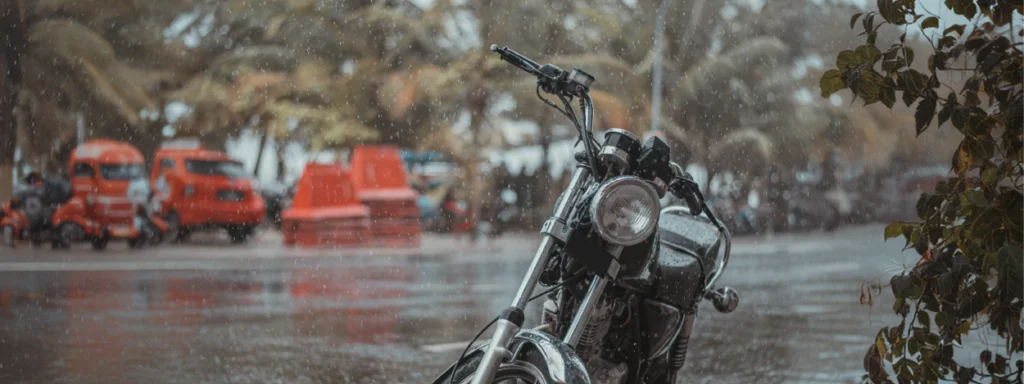
It is true that monsoons are tough on motorcycles because rain is capable of entering in places where it is not wanted, roads get slick in a short time, and parts that were not an issue in summer suddenly start giving problems. Brakes lose efficiency, tires lose traction, chains rust rapidly and electrical components fail at the most unexpected times.
This does not mean that it is necessary to park the motorcycle for the whole of the monsoon season. A little extra care during the rainy season will ensure that there will be only a few of these problems left. Here are seven things that can be done and, in all honesty, most of them take less time than expected.
Why Monsoon Bike Care Is Important?
Roads that are wet can lead to a greater possibility of slipping or inadvertently slipping off in case of an accident. This is particularly true in cases where the road contains paint marks or slick surfaces. Once exposed to rain or wet conditions for prolonged periods of time, metal will start to rust and corrode. When brakes are used on wet surfaces, their efficiency decreases, water can enter into electric devices, and visibility decreases. Thus, if a rider fails to prepare the bike properly, he or she will be exposed to more risks.
7 Tips to Keep Your Bike Safe During the Monsoon
1. Keep Your Tyres in Top Condition
Having great grip in the rain is key, so examine your tread depth before it starts to rain. Low tread translates to less water displacement, which means a greater risk of skidding. Make sure you also check you tire pressure; under-inflated tires act strangely on wet roads. If your tires are worn, replace them as soon as possible, do not wait until it starts to rain, and you’re in the middle of a ride wondering why your motorcycle feels so unstable.
2. Protect and Lubricate the Chain
Dirt and water building up on this important part actually helps the rust form faster than many people know. Always clean the chain after riding in wet or muddy conditions, even if it seems excessive, and use chain oil on a regular basis. Also, regularly check the tension, since a chain that is too loose can cause problems in moist conditions.
3. Check Your Brakes Frequently
Brakes lose effectiveness on wet roads so make sure to take a look at them more frequently during the rainy season than during hotter periods of the year. After you have ridden on any standing water, give the brakes a quick test at a slow speed in order to ensure they are still working properly. If you hear any grinding sounds that were not present before, take your bike to be checked right away.
4. Protect Electrical Components
In wet conditions, battery terminals corrode more quickly than they do in more arid times, so ensure to examine these every few weeks. Ensure that your headlights and other lights are all functioning properly, as visibility is supremely important when it comes to riding safely in the rainy season.
5. Keep the Bike Clean and Dry
Wash off mud and road grime as soon as you can after a ride, it does not need to sit there. Dry the motorcycle completely afterwards, paying attention to certain areas that tend to collect water. You should also spray the exposed metal parts with anti-rust spray if you will park the motorcycle outside during the season.
6. Check Engine Oil and Fluids
Most motorcycle riders underestimate the possibility of water getting into the engine oil, especially after riding on flooded roads. Check whether the oil has a milky color, which indicates water contamination. If you have driven through deep waters, make sure the oil is at the appropriate level; if it is less than the recommended level, it has to be changed immediately.
7. Ride Smart in Wet Conditions
When roads are wet, trying to accelerate or brake suddenly is dangerous, so make sure to do both cautiously. Make sure to keep a safe distance from the vehicle in front because stopping on a slippery road takes more time. Also be careful when riding over road markings, metal covers, and potholes, which become slippery during the rainy season and lead to many accidents.
Common Monsoon Bike Problems to Watch For
A few issues show up again and again once the rains start, and knowing what to look for helps you catch them early.
- Rust on the chain and metal parts
- Slippery tyres with reduced grip
- Weak or spongy brakes
- Battery and electrical issues
- Water entering the exhaust or air intake
When to Get Your Bike Serviced
Servicing your bike prior to the start of the rainy season is the best step to take as it helps to rectify problems while they are still small. A servicing after riding through the heavy downpour and in water-logged areas is useful too, even if you think that your bike does not have problems. If you notice any lessening of braking capability or feel any changes in how your engine works, make sure to get your bike serviced as soon as possible.
GoGarage’s doorstep bike service can handle all of this without you needing to visit a workshop, which honestly makes staying on top of monsoon maintenance a lot less of a hassle.
Conclusion
The seven habits include tyres, chain, brakes, electricals, cleaning, fluids, and smarter riding, which are essential to keep your bike secure during monsoon. None of these are complex; all they require is consistency. Similarly, riding responsibly is as important as taking proper care of the vehicle.
If you have not checked your bike for a long time, GoGarage helps you in getting a bike inspection done on time as per your schedule.
Frequently Asked Questions
- How often should I clean my bike during the monsoon?
Ideally after every ride through mud or heavy rain, or at least once a week even with lighter use. Regular cleaning prevents grime from sitting and causing rust.
- Can rain damage a motorcycle engine?
Yes, especially if water enters the air intake or exhaust while riding through flooded roads. This can cause serious engine damage, so avoiding deep water is important.
- Should I lubricate the chain after every rainy ride?
It is a good habit, particularly after riding through mud or standing water. Rain washes away existing lubrication and speeds up rust if the chain is left dry.
- How do I prevent rust during the rainy season?
Keep the bike clean and dry, lubricate the chain regularly, and apply anti rust spray on exposed metal parts.